Neuro Atlas · four interactive pieces
Four calm ways into the brain and its history.
A 3D brain you can search and slice, psychiatry's discoveries from 1899–2024 as one river, a quiz that teaches the brain's structures, and a one-page map of what research found on falling asleep. Every structure, card and dot opens its source.
Take your time; everything shown here stays open to look through.
- Payment handled by Gumroad
- 14-day refund if it doesn't open or isn't as described
- Instant download link by emailPersonal licence, up to 3 of your devices
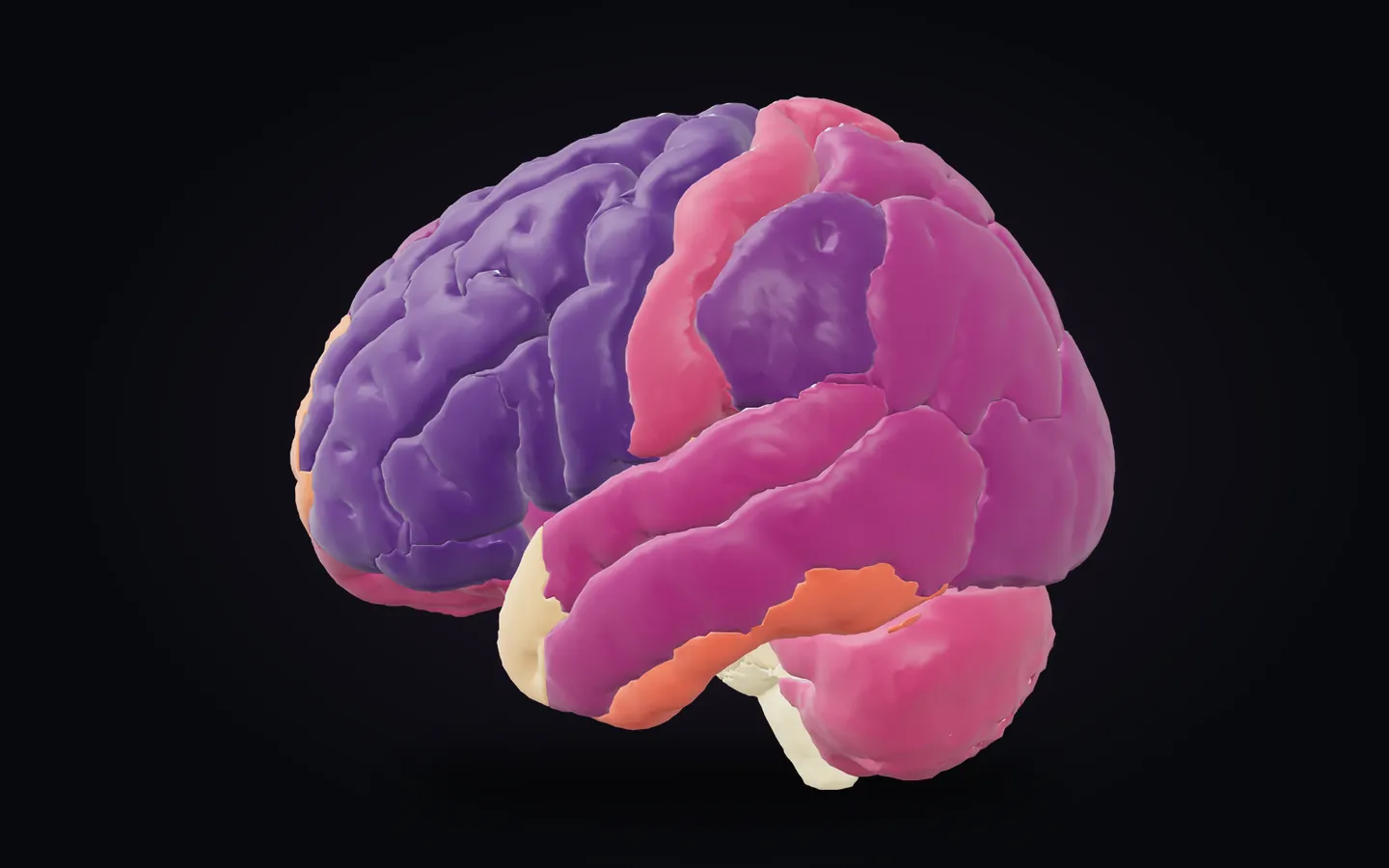 Neuro Atlas 3D
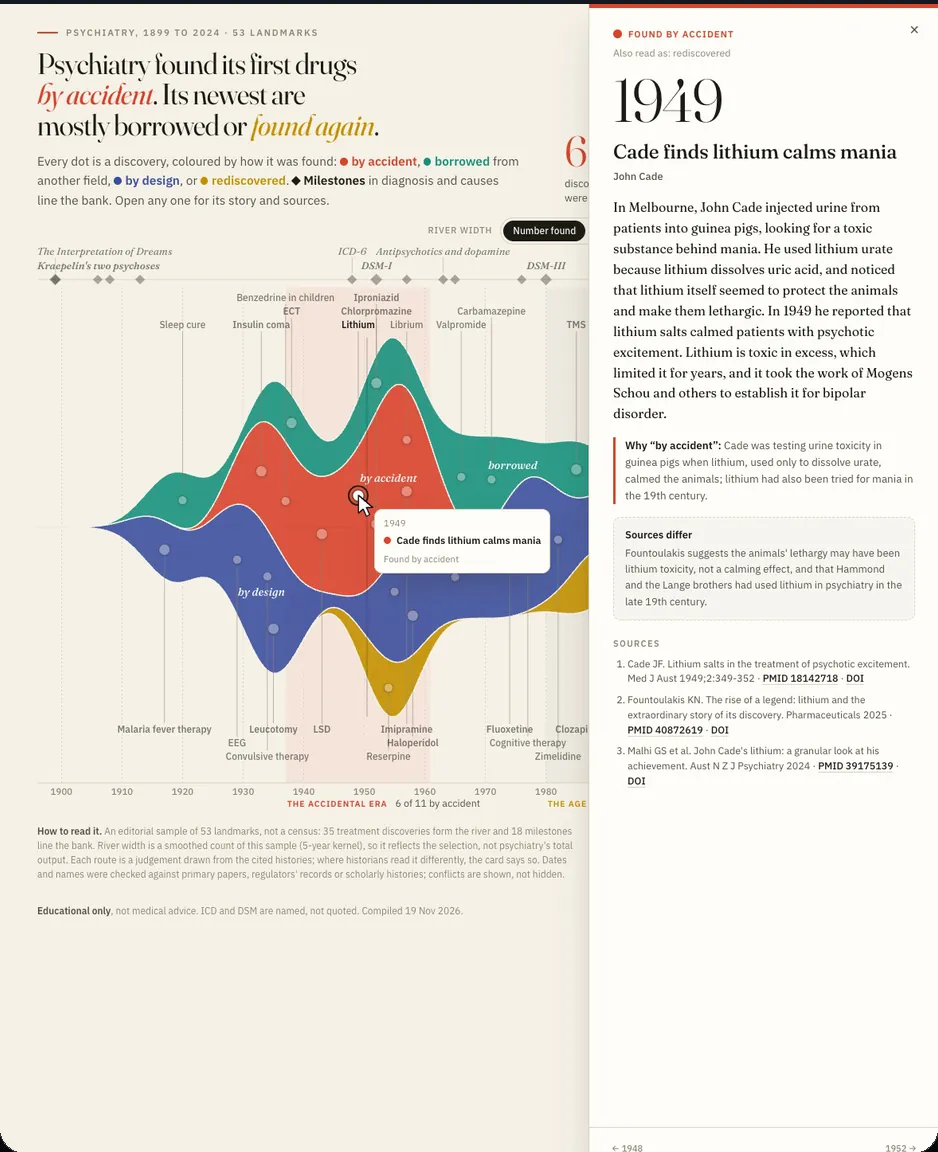 Discovery River
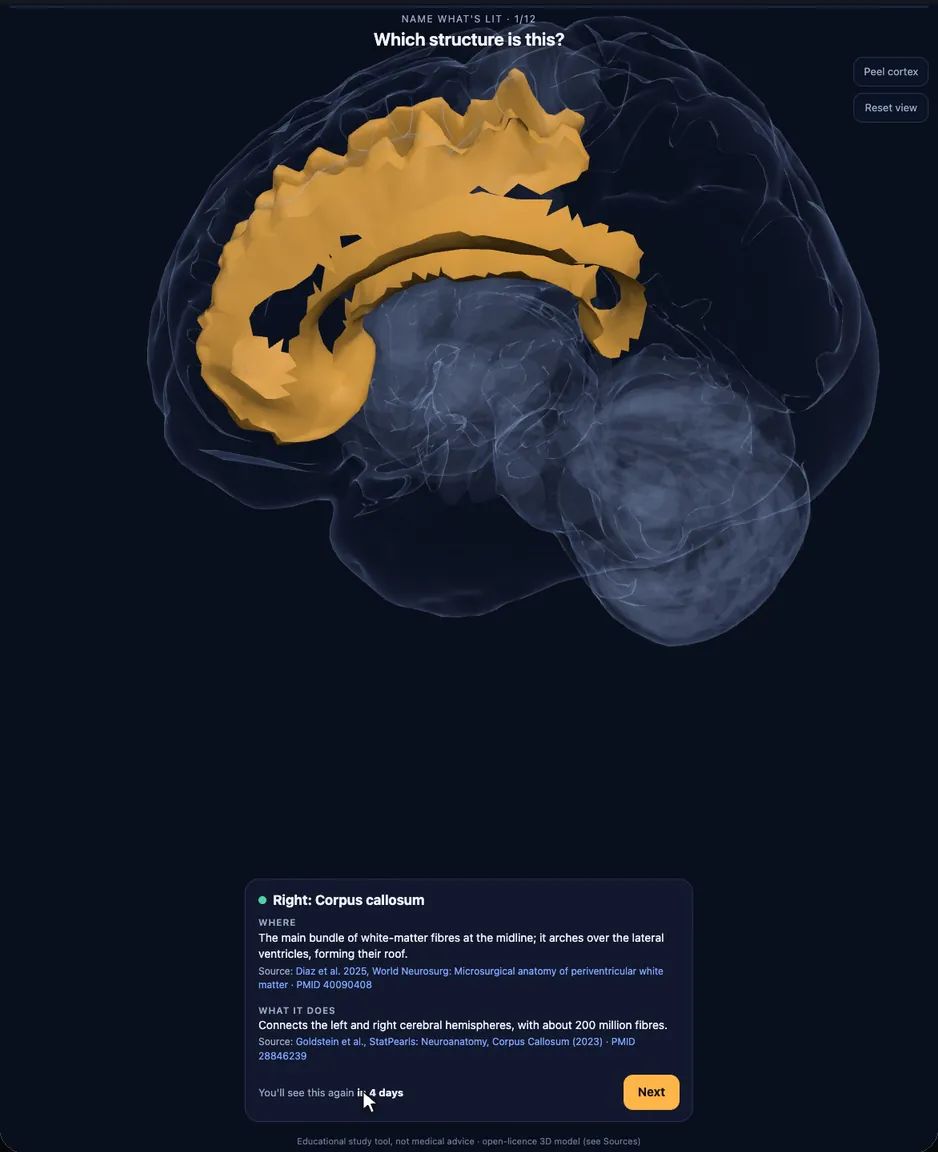 Brain Recall
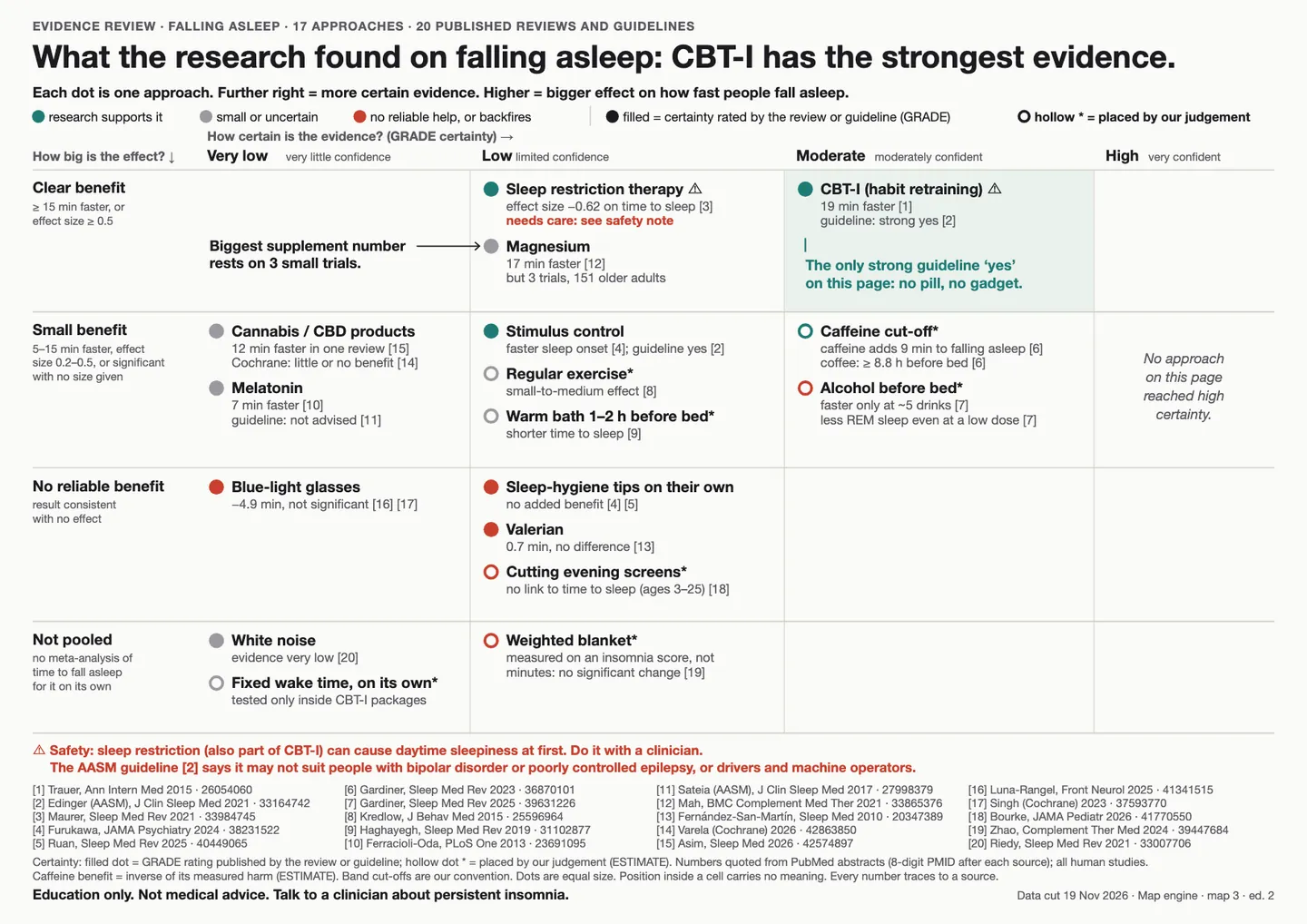 Sleep Evidence Map
The four pieces as they ship: Neuro Atlas 3D, Discovery River, Brain Recall and the Sleep Evidence Map.
- 93clickable brain structures in the 3D atlascounted from pubmed.json
- 13,459imaging papers behind the atlas's activation-peaks layer (NeuroQuery)counted from layers/imaging_foci.json
- 53landmarks in psychiatry's history, 1899–2024counted from nodes.json
- 153sources cited on the river's cardscounted from nodes.json
- 17approaches to falling asleep, placed by effect and certaintycounted from sleep map data/claims.csv
- 20published reviews and guidelines behind the sleep mapcounted from sleep map data/claims.csv
Counted by the store's build script from each piece's own data files on 24 Nov 2026. Nothing is typed in by hand.
Have a look inside
Each part, with a real capture. Open any of them for how it works and how it's measured.
Neuro Atlas 3DA human brain you can turn, search and slice, with 93 clickable structures.Interactive 3D atlas
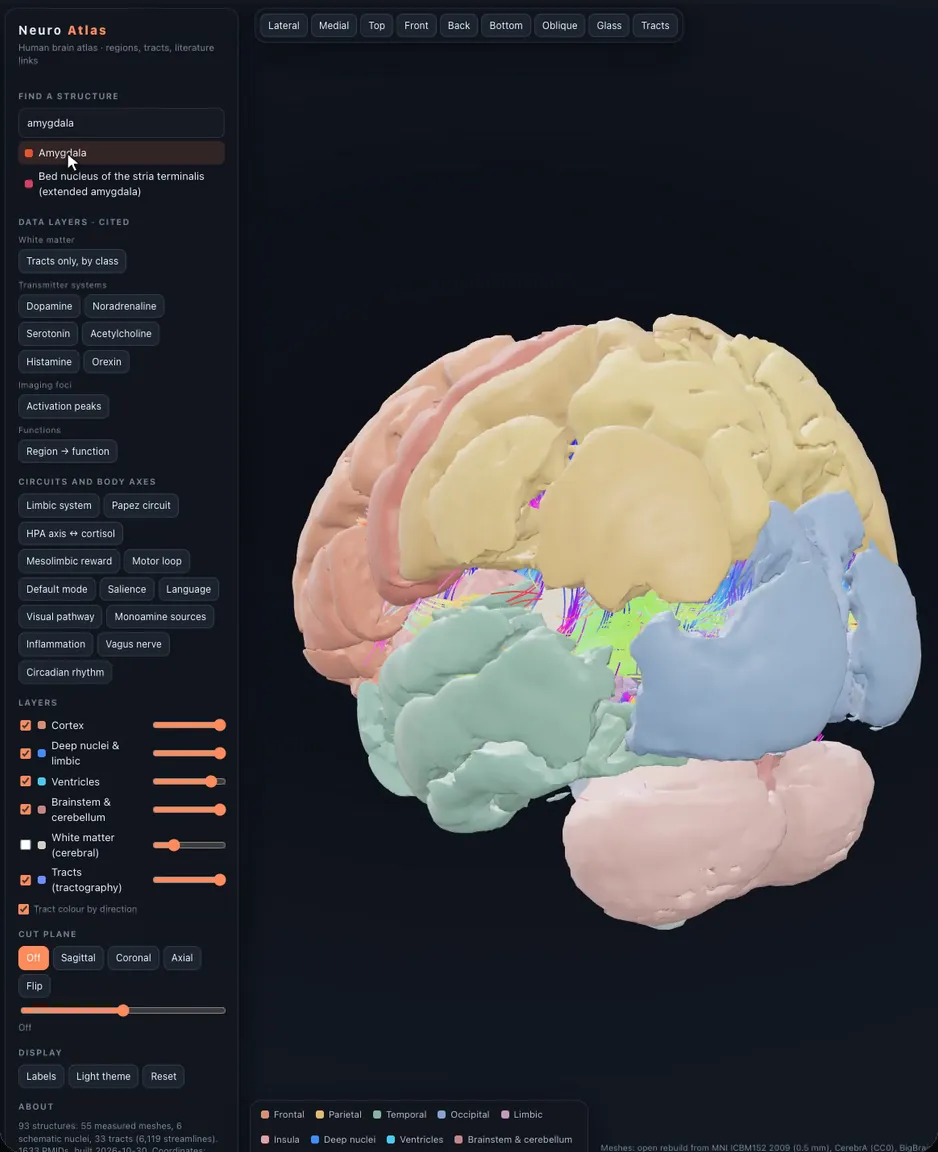
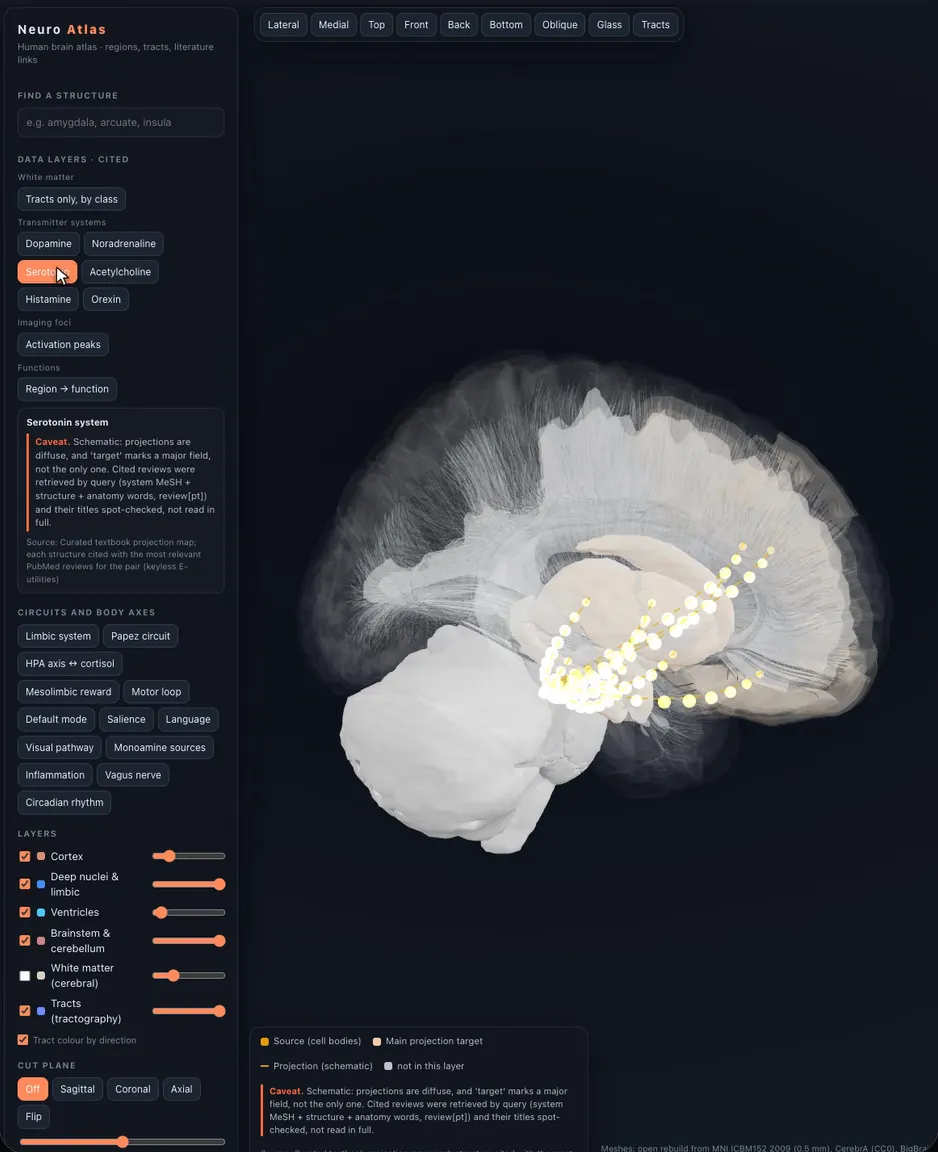
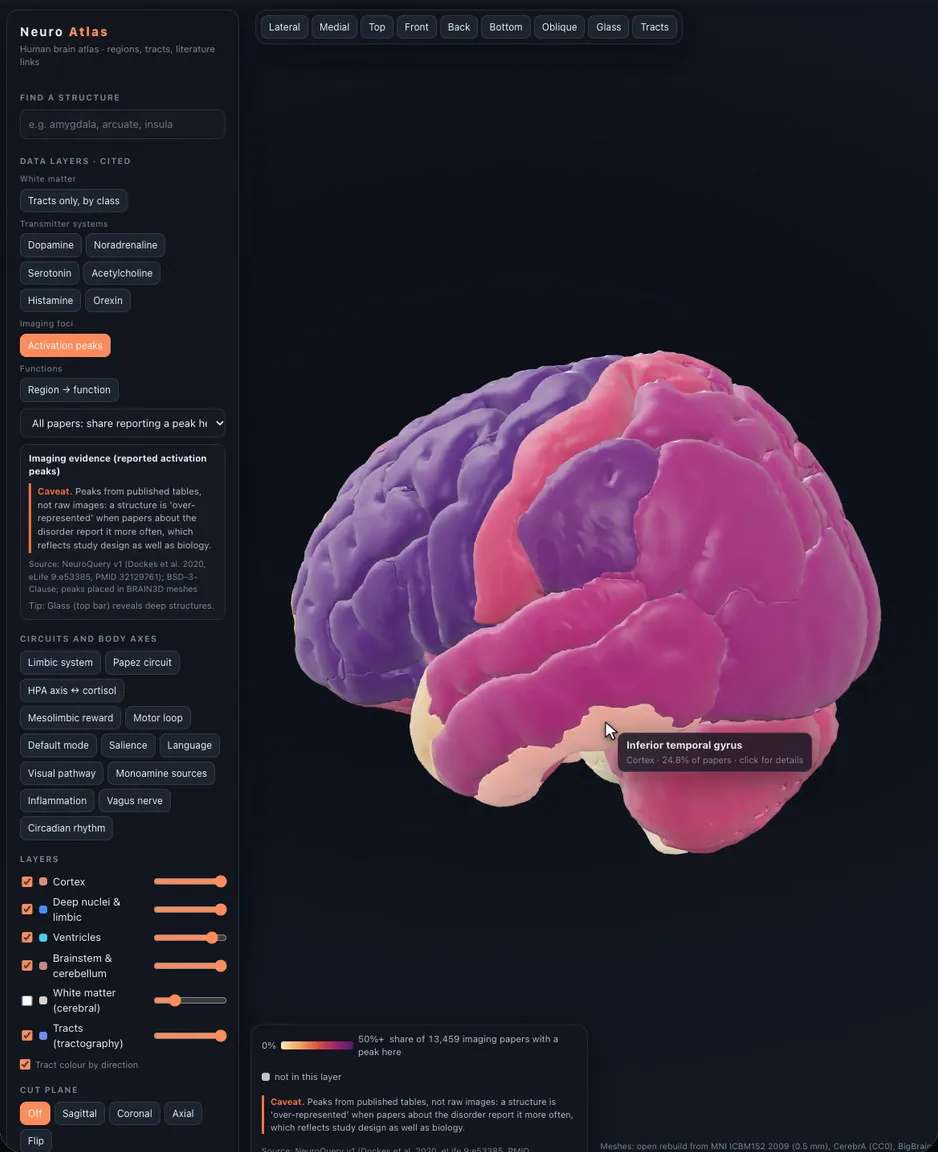
Search any structure, switch on named circuits (limbic, default mode, salience, reward and more), follow six transmitter pathways (dopamine, noradrenaline, serotonin, acetylcholine, histamine and orexin), show the white-matter tracts and cut through the brain on any plane. An activation-peaks layer shows where 13,459 published imaging papers report activity.
- 93brain structures
- 13,459imaging papers (NeuroQuery)
MethodMeshes rebuilt from the open MNI ICBM152 2009 template and the CerebrA atlas (CC0); tracts from HCP842 (Yeh et al. 2018, CC BY 4.0); peaks from NeuroQuery (Dockès et al. 2020, BSD-3), placed in the meshes. Pathways are schematic and say so on screen.
Discovery RiverHow psychiatry found its treatments, drawn as one river from 1899 to 2024.Timeline river
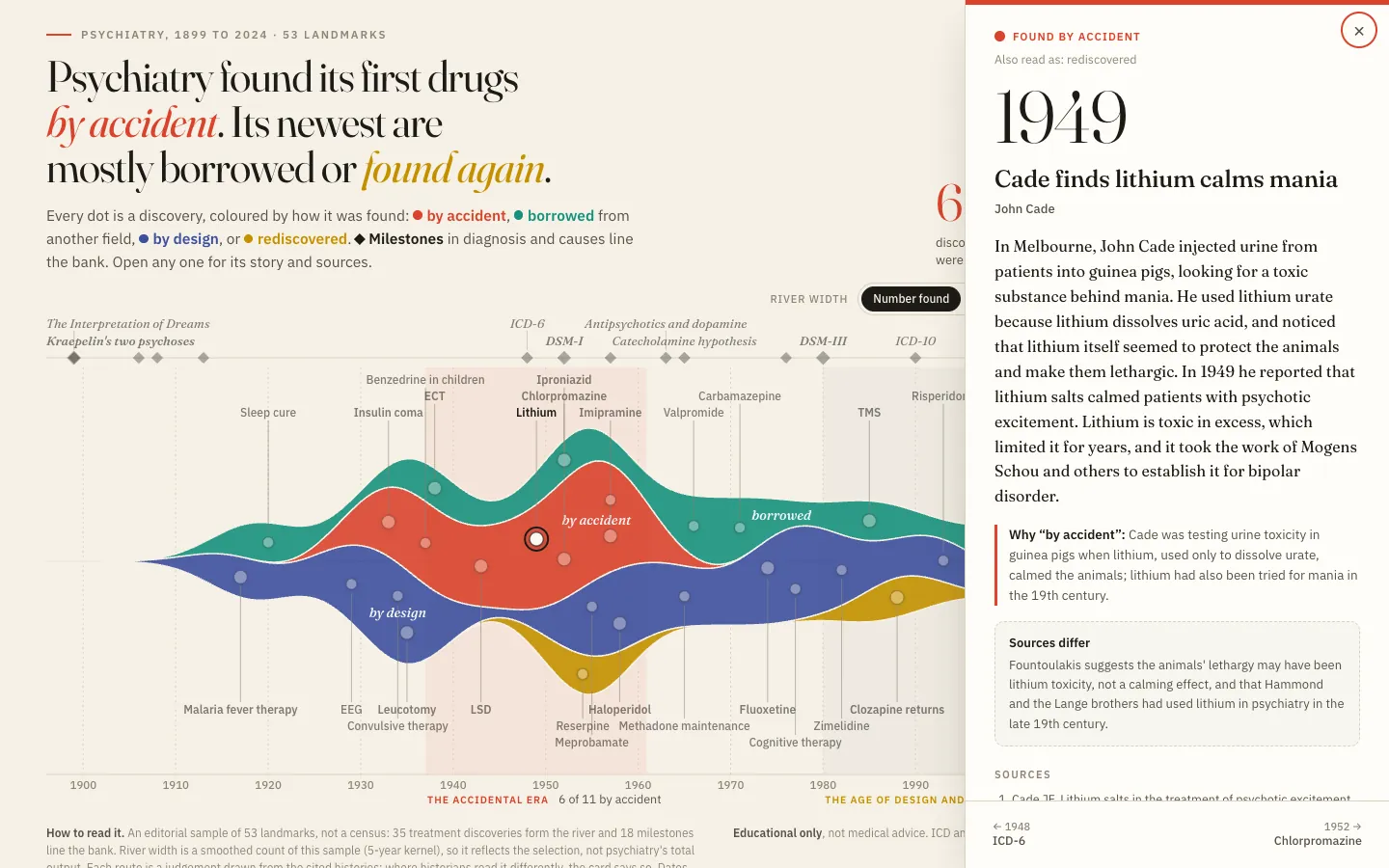
Each landmark is coloured by how it was found: by accident, borrowed from another field, by design, or found again. Open lithium (a mood stabiliser, 1949) and read John Cade's guinea-pig experiment in four sentences, with a 'sources differ' note where historians disagree. 35 treatments are tagged by route, and the accidental stream of the 1950s visibly gives way to rediscoveries after 2010.
- 53landmarks
- 1899–2024years covered
- 153sources cited
- 35treatments tagged by route
MethodAn editorial sample, not a census. Routes are historians' readings; contested ones carry an 'also read as' tag. Every card cites PubMed, a DOI or a regulator record.
Brain RecallA 3D brain that quizzes you, then brings each structure back just before you'd forget it.3D memory trainer
Name-it and tap-it questions on 12 structures. After each answer you get one short fact with its source, and a review schedule spaces the repeats. Your progress stays in your own browser.
- 12structures to learn
MethodSpaced review kept in the browser's own storage; each fact cited by PMID (StatPearls and peer-reviewed anatomy papers); open-licence 3D brain model.
Sleep Evidence MapWhat published research found on falling asleep: 17 approaches on one page.One page · PDF + web page
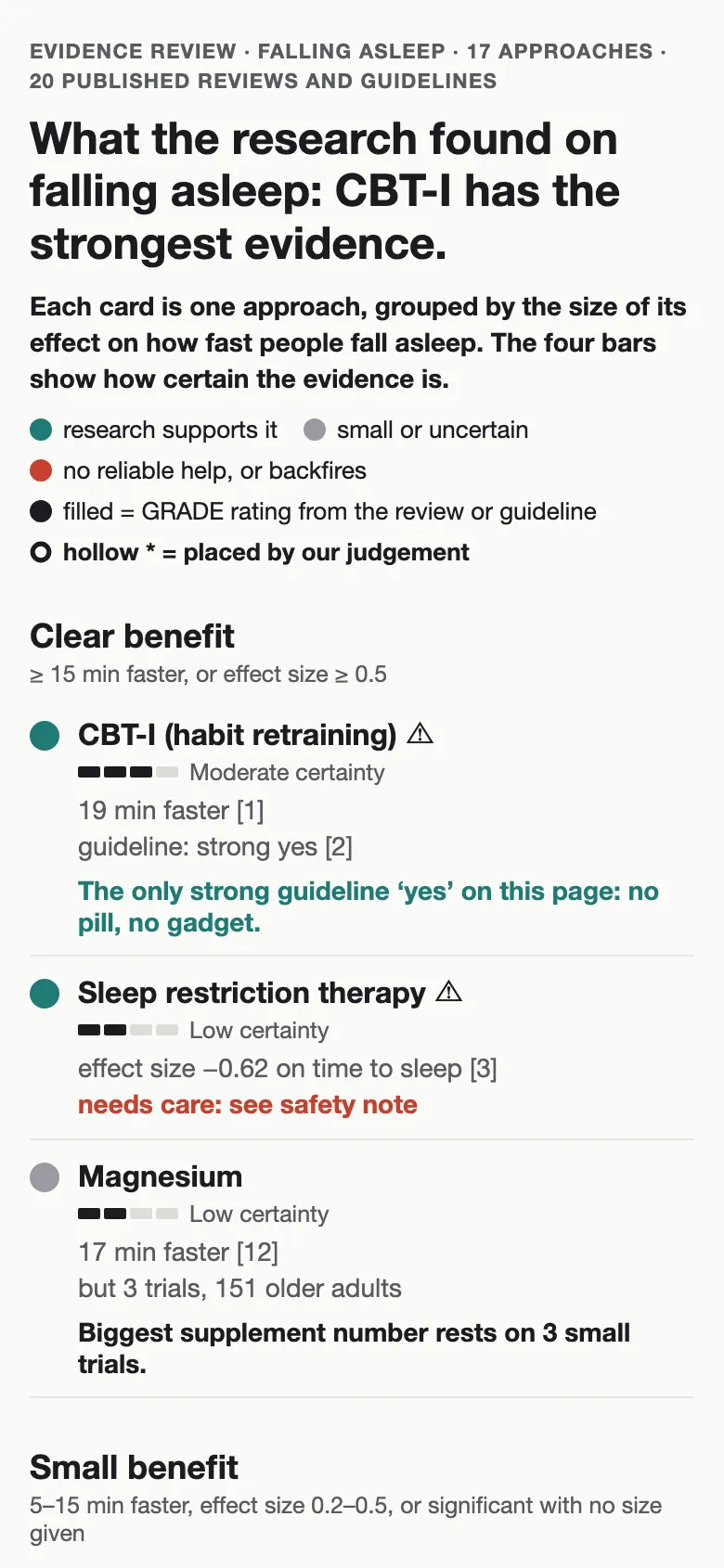
Each approach is placed by how much faster people fell asleep and by how confident the reviews are, from CBT-I (habit retraining for insomnia) to magnesium, valerian, warm baths and weighted blankets, with safety notes and the full reference list. It reports what the reviews found; it isn't advice for you.
- 17approaches placed
- 20reviews and guidelines
MethodEffect sizes and certainty grades quoted from 20 systematic reviews, meta-analyses and clinical guidelines (GRADE where given), each cited by PMID.
Captured from the real thing
Screens and loops recorded from the shipped tool, untouched apart from cropping.
The plain details
| What it is | Four pieces: Neuro Atlas 3D, Discovery River, Brain Recall and the Sleep Evidence Map. |
|---|---|
| Format | Web pages you open in a browser, plus the sleep map as a PDF, delivered as a .zip.Web pages opened through your own private link, plus the sleep map as a PDF. |
| How to open | Unzip and open each piece's index.html. No install and no account.Open the link from your email and enter your licence key. No install. |
| Licence | Personal licence · open it on up to 3 of your devices · access by licence key · works in any modern browser |
| Devices | Any modern browser; a laptop is best for the 3D views, and phone layouts are included. |
| Internet | Needed on first open: the 3D views and fonts load from public code libraries. |
| Brain model | The open-licence model (MNI ICBM152 2009, CerebrA, HCP842 tracts), credited in the included CREDITS.txt. |
| Delivery | An instant download link by email from Gumroad, who handles the payment.Your licence key arrives instantly by email from Gumroad, who handles the payment. |
Where every number comes from
- MNI ICBM152 2009 and CerebrA atlasThe 3D brain template and its labelled structuresMNI notice; CerebrA CC0
- HCP842 tractography (Yeh et al. 2018)White-matter tractsCC BY 4.0
- NeuroQuery (Dockès et al. 2020)Activation peaks from published imaging papersBSD-3-Clause
- PubMed (NCBI)Every cited PMID in the atlas, river cards, recall facts and sleep mapPublic bibliographic metadata
- DOIs and regulator recordsDiscovery River cards without a PubMed record (approvals, withdrawals)Cited, not copied
- Systematic reviews and guidelines (Cochrane, AASM and others)Effect sizes and certainty grades on the sleep map, each with its PMIDShort figures cited, not reproduced
Each piece states its own limits on the page: pathways are schematic, the river is an editorial sample, the sleep map reports what reviews found. Drugs are named plainly with their class; nothing here gives dosing or treatment advice.
Good to know
Is this medical advice?
No. Neuro² is educational. It shows what published studies report; it can't tell you anything about your own health or treatment. If something is worrying you, a clinician is the right person to talk to.
Does the sleep map tell me what to do?
No. It shows what published reviews and guidelines found and how confident they were, with safety notes where a clinician should come first.
Is it complete?
No, and it doesn't pretend to be: the river is an editorial sample of 53 landmarks, Brain Recall covers 12 structures and the atlas 93.
What do I need to open it?
A modern browser, and an internet connection the first time, for the 3D views and fonts. The sleep map also comes as a PDF.
Who makes it?
Neuro Atlas, a small independent lab that builds research tools from public data and published papers. Sold by Neuro Atlas, United Kingdom.
Can I share it?
Each licence is for one person, on up to three of their own devices. If a friend would like it, they can get their own; it helps us keep building.
Can I share it?
Each purchase is for one person. If a friend would like it, they can get their own; it helps us keep building.
What if it doesn't work for me?
If the files don't open or aren't as described, ask within 14 days of buying and you get a full refund.
Refunds
If the files don't open or aren't as described, ask within 14 days of buying and you get a full refund.
Please note
- Educational tools. Research & education, not medical advice.
- Brain highlights and pathways are schematic or literature-based, not causes, and not a way to assess yourself.
- The sleep map reports published reviews; it is not advice for you.
Take your time; everything shown here stays open to look through.